
Homes · Buildings · Industry
Buildings that respond. Processes that run themselves.
Lighting, climate, access and energy under one controller — and on the industrial side, monitoring and control you can see from a dashboard. Designed around your building, engineered by people who build the hardware and the software.
What we deliver
Physical automation and the software behind it — from one team, so the dashboard always matches the wiring.
Home automation
Lighting, climate, curtains and scenes controlled from one app and real wall switches — designed so the house still works like a house when the internet is down.
Building & access control
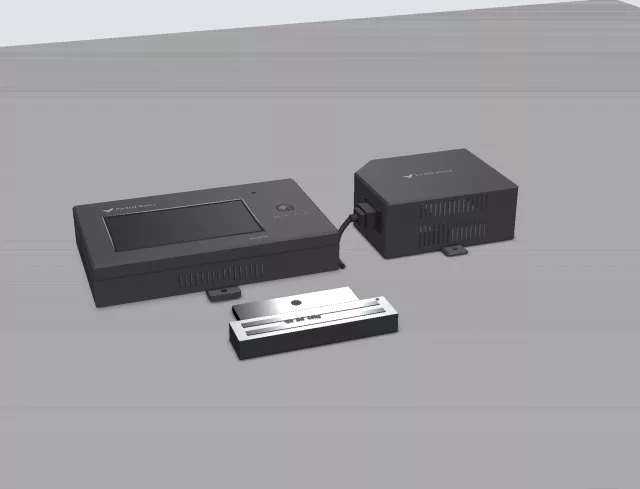
Door access, presence and shared-space booking for offices and commercial buildings — the field we built our own access hardware for.
Industrial monitoring & control
Sensors, meters and controllers wired into a live dashboard — temperatures, power, machine states — with alerts before small problems become stoppages.
Energy management
Measure what the building actually consumes, schedule heavy loads, and switch between sources cleanly — with the numbers to prove what changed.
Custom control devices
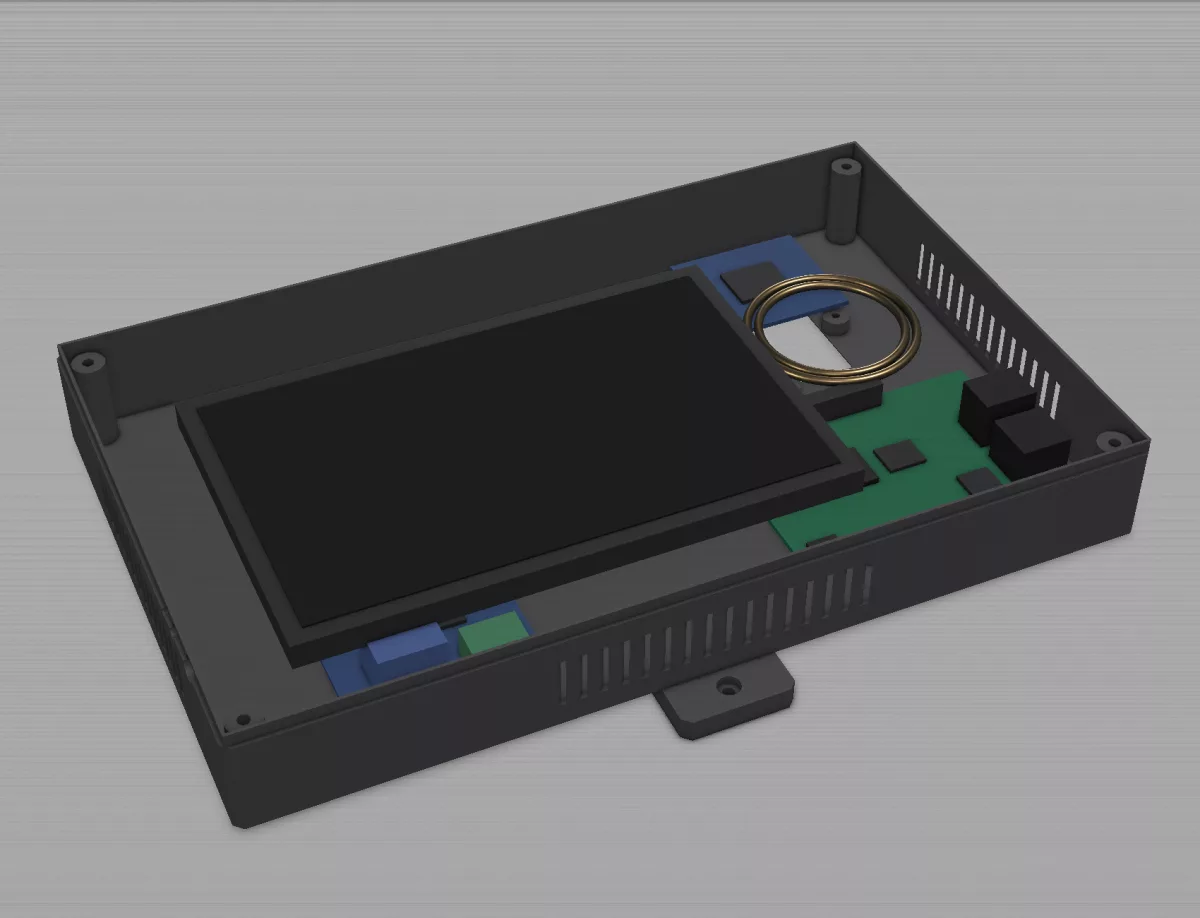
When off-the-shelf doesn't fit, we design the device: board, casing, firmware and the local-decision logic that keeps it working when the network and power don't.
Process automation
The software side of the same discipline — approvals, reports, notifications and data flows that run on schedule instead of on somebody's memory.
How the engagement works
Automation is bought once and lived with for years — the process is built around that.
We see the site
A walkthrough of the home, building or plant: what should happen automatically, what must never happen automatically.
Behavior on paper first
A written design — devices, wiring, and exactly how each room or line behaves — with a fixed price attached.
Fitted and rehearsed
Installation and configuration, then a walkthrough where every scene, sensor and fail-safe is demonstrated to you, not described.
Kept running
Monitoring and support as a service — adjustments as your use changes, spares and repairs handled by the team that installed it.
What it costs
Automation quotes depend on the site and the device count, so they follow the design — a fixed installation price for the agreed behavior, and an optional monthly plan for monitoring and support. The design tells you the full number before any equipment is ordered.
- ✓ Site visit and written design first
- ✓ Fixed price for the installed, demonstrated system
- ✓ Optional monthly monitoring and support plan
Homes, buildings and industrial sites — tell us which, and where, and we'll schedule the visit.
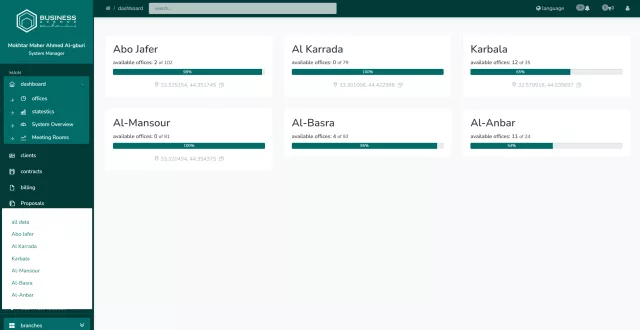
Automation we've shipped
The same engineering, at two scales.
Questions, answered
What happens when the internet goes down?
The system keeps working. We design controls to decide locally — our custom access device does exactly this, and we build the power backup to match — then sync when the connection returns. In Iraq, that isn't optional engineering.
Can you work with an existing installation?
Usually. The site visit tells us what's installed and what it can do; the written design then reuses what's sound and replaces only what isn't.
Which brands or platforms do you use?
The design names every device before you approve it. We select per project — and when nothing off the shelf fits, we build the device ourselves, case and firmware included.
Is this only for large buildings?
No — homes are a core part of the service. The same visit-design-install process applies whether it's a villa's lighting scenes or a plant's monitoring line.
Tell us what should happen by itself.
A site visit, a written design, and a system that's demonstrated — not described.